While Cambyses remained in Memphis, he committed many other violent and shocking acts. These outrages were directed not only against the Persians but also against their allies. His behavior grew more extreme with time, showing a deep lack of respect for people, traditions, and sacred places. One of his most disturbing habits was his treatment of ancient tombs and religious temples Croesus Advises the Persian King.
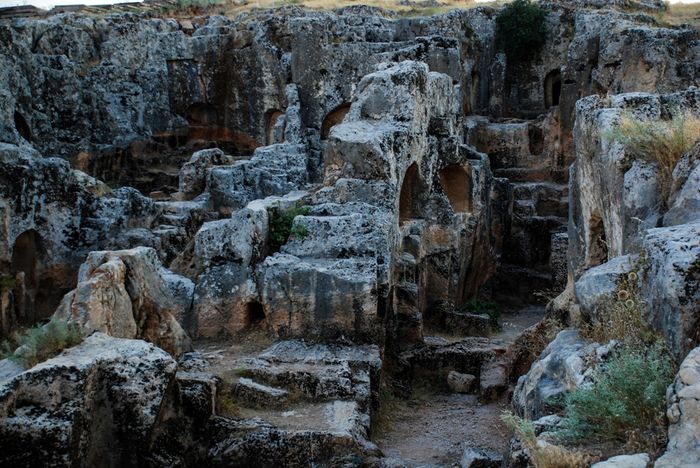
Cambyses ordered old burial places to be opened so that he could look at the bodies of the dead. These tombs had been respected for generations, and disturbing them was considered a serious offense. To the people of Egypt, the dead were sacred, and their burial customs were deeply connected to their beliefs about the afterlife. By opening the ancient sepulchres, Cambyses insulted these beliefs and caused great offense.
Mockery of Sacred Images
Cambyses also entered the temple of Vulcan and openly mocked the statue of the god. The image of Vulcan, according to tradition, looked similar to the figures known as Pataeci used by the Phoenicians. These small figures were often placed on the prows of warships for protection. For those unfamiliar with them, they could be described as small human-like figures, similar in size to a pygmy.
Instead of showing reverence, Cambyses laughed at the statue and treated it as a joke. His behavior shocked the priests and worshippers, for temples were places of deep respect and solemnity. Such actions were seen not only as rude but also as dangerous, since offending the gods was believed to bring disaster Private Guided Sofia Tours.
The Burning of Holy Images
Cambyses went even further by entering the temple of the Cabiri. This temple was so sacred that no one except priests was allowed to enter. Ignoring this rule, Cambyses entered boldly and mocked the holy images inside. Not satisfied with insults alone, he ordered the images to be burned.
The Cabiri were believed to be connected to Vulcan, who was said to be their father. By burning their statues, Cambyses showed complete contempt for religious traditions that had existed for centuries. To many observers, these acts could only be explained by madness or a total loss of reason.
Madness Proven by Disrespect for Custom
From these events, it seems clear that Cambyses was not acting as a rational man. A sane ruler, even one ruling over foreign lands, would normally respect the customs and religious practices of others. Only someone who had lost his reason would make fun of sacred rites and long-established traditions.
People everywhere believe that their own customs are the best. If they were asked to choose the finest customs in the world, they would examine many and still choose their own. This deep attachment to tradition is universal and powerful.
Darius and the Lesson of Cultural Beliefs
A clear example of this truth can be seen in a story about Darius, who ruled after Cambyses. Darius once summoned some Greeks and asked them how much money it would take for them to eat the bodies of their dead fathers. The Greeks replied that no amount of money could make them do such a thing.
Darius then called certain Indians, known as the Callatians, who practiced eating the bodies of their fathers as part of their customs. With the Greeks listening, Darius asked the Indians how much he should pay them to burn their fathers’ bodies after death. The Indians cried out in horror and begged him not to speak in such a way.
Law and Custom as Supreme Authority
This story shows how deeply people value their own laws and customs. What is holy to one group may be unthinkable to another. For this reason, the poet Pindar was right when he said, “Law is the king over all.” Cambyses’ failure to understand this truth reveals the depth of his madness and the danger of ruling without respect for tradition.